Classification of Computer Networks
A computer network is mainly of four types:
LAN(Local Area Network)
PAN(Personal Area Network)
MAN(Metropolitan Area Network)
WAN(Wide Area Network)
LAN(Local Area Network)
A local area network (LAN) is a computer network that connects devices within a limited area, like a home, office, or school. LANs can be small or large, from a home network with one user to an enterprise network with thousands of users and devices.
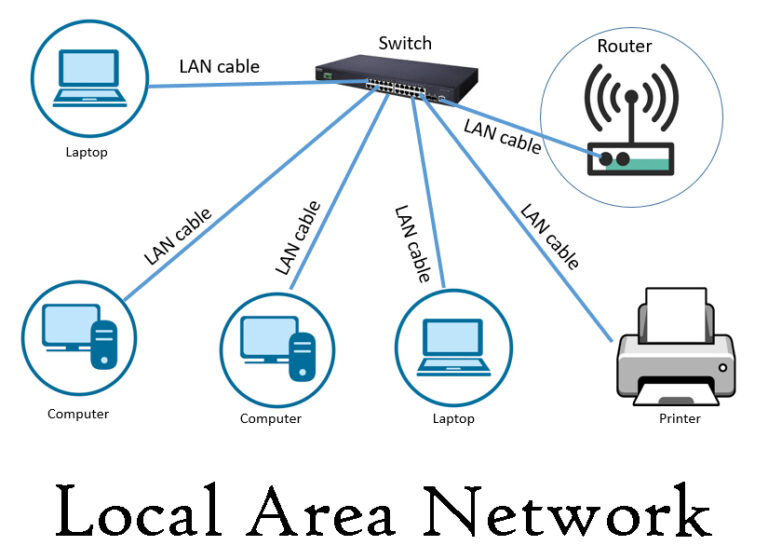
Advantages of a LAN
Resource Sharing
Centralized Data Storage
Enhanced Communication
Internet Sharing
Security
Scalability
Cost-effective
Disadvantages of LAN
Single Point of Failure
Scalability Limitations
Security Risks
Higher Initial Costs
PAN(Personal Area Network)
A personal area network (PAN) is a computer network that connects electronic devices within a person's workspace. PANs can be used to transmit data between devices like computers, tablets, smartphones, and personal digital assistants.

Advantages of PAN
PAN is relatively flexible and provides high efficiency for short network ranges.
It needs easy setup and relatively low cost.
It does not require frequent installation and maintenance
It is easy and portable.
Needs fewer technical skills to use.
Disadvantages of PAN
Low network coverage area/range.
Limited to relatively low data rates.
Devices are not compatible with each other.
Inbuilt WPAN devices are a little bit costly.
MAN(Metropolitan Area Network)
A metropolitan area network (MAN) is a computer network that connects computers within a metropolitan area, which could be a single large city, multiple cities and towns, or any given large area with multiple buildings. A MAN is larger than a local area network ork (LAN) but smaller than a wide area network (WAN).

MAN advantages
High-speed optical networks
Control over connection
MAN disadvantages
Potentially higher costs
Greater complexity
Additional logistics
WAN(Wide Area Network)
A wide area network (WAN) is a telecommunications network that connects multiple locations across a large geographic area, such as multiple cities or countries. WANs are made up of smaller networks, such as local area networks (LANs), that communicate with each other. The internet is the world's largest WAN.
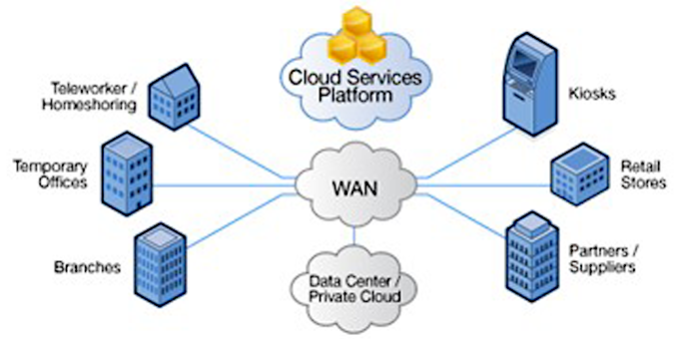
WAN advantages
Centralized data management
Remote work connections Flexibility.
LAN disadvantages
Data transfer rates
Security